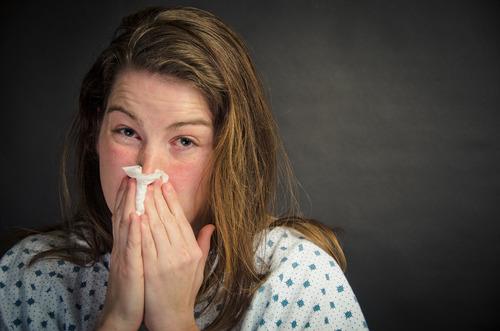
Don’t let these new health enemies threaten you in 2015. (James Brey/Getty Images)
There
are the health woes we worry about year after year — think obesity,
diabetes, and opioid addiction — and then there are the ones that
threaten to catch us off guard. We’re talking about the public health
enemies that emerge with sudden, unexpected force — and then leave us
all wondering why we didn’t see them coming.
This
year, it was Ebola, the deadly virus responsible for thousands of lives
lost in West Africa. “Ebola has gotten most of the attention this
year,” says Scott Weaver, director of the Institute for Human Infections
and Immunity at the University of Texas. Yet, despite fears of a
stateside epidemic, the virus never invaded U.S. borders in serious
numbers — and it’s not likely to do so in 2015, he says, even as the war
against Ebola in West Africa rages on.
But there are
other viruses — some familiar, some not — that are poised for attack on
U.S. soil in the coming year, whether we’re ready or not. And it’s just
not infectious invaders we have to worry about, either — there are also
a handful of homegrown health foes, ranging from fracking to inferior
health insurance, threatening to tighten their grip in 2015.
CHIKUNGUNYA VIRUS
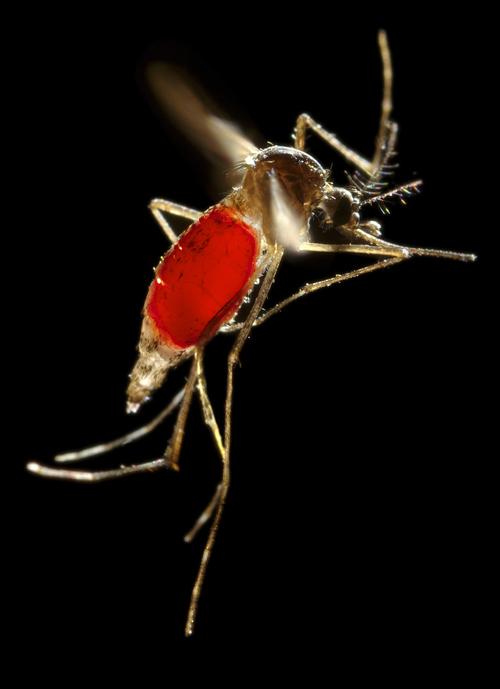 Mosquitos may just seem like pests, but they could actually be carrying a debilitating virus. (BSIP/UIG/Getty Images)
The
chikungunya virus may have a funny-sounding name, but it’s nothing to
laugh about. So far, all but four states in the U.S. have reported cases
of chikungunya — and the mosquito-borne virus’s foothold will only
increase in 2015, says Weaver. As chikungunya spreads from the Caribbean
to Central and South America, “I suspect the number of cases may
increase, because the virus is going to be circulating in a much larger
area, with much larger populations,” he says. “I think it’s inevitably
going to spread up through Mexico to the U.S. border.”
Chikungunya made tabloid headlines this week when actress
Lindsay Lohan contracted the virus while vacationing in French Polynesia. "Being
sick is no fun," Lohan tweeted. "But happy new year everyone. Be safe."
And she shared an important lesson learned from her experience: use bug
spray.

An under-the-weather Lohan with pals in French Polynesia. (Photo: Instagram)
And
trust us, this is one virus you definitely don’t want to catch:
Chikungunya causes debilitating, arthritis-like pain that can last for
years, says Weaver.
Right
now, chikungunya — which has no known cure — is primarily transmitted
through the Aedes aegypti mosquito, found only in the southern United
States. However, another strain recently emerged in Brazil that may
favor the Aedes albopictus mosquito, which “can survive further north in
the temperate areas of the U.S.,” says Weaver. “It can survive cold
winters. So if that strain is imported in travelers, it could be a risk
almost anywhere in the eastern half of the U.S., where Aedes albopictus
is present.”
Chikungunya
can’t spread from person to person — a mosquito go-between is necessary
— so you’re currently most likely to catch it while traveling in the
Caribbean, Central America, or South America. “You really have to cover
up your skin, either with clothing or repellant, and worry about being
bitten all day long,” Weaver says.
Unlike most mosquitos that pester us in the States, Aedes aegypti is primarily a daytime biter — and it will come
indoors, especially where there’s no central air or window screens.
“You can’t simply assume that when you’re inside you’re protected,” says
Weaver.
Another virus to keep your eye on: dengue. Although it’s not yet a major concern in the United States, the
United Nations recently issued a warning about potential outbreaks of the deadly virus in Europe, West and Central Africa, and South America.
HIGH-DEDUCTIBLE HEALTH PLANS
Tempted to choose a high-deductible plan? Your health may take a hit if you do. (Image Source/Getty Images)
Under the Affordable Care Act (ACA), we’re all required to have health insurance — but that doesn’t mean we’ll all end up with
quality coverage,
even if our employers are providing the plans. Nearly a third of large
employers plan to offer only high-deductible plans in 2015, up from 22
percent in 2014, according to the
National Business Group on Health.
“There’s been a very powerful trend toward greater patient cost sharing
in health insurance plans,” says Paul Ginsburg, a professor at the
University of Southern California’s Schaeffer Center for Health Policy
& Economics.
In fact, according to a new
American Health Policy Institute report,
“Although employers will continue to pick up the large majority of
employee health care costs, employee deductibles, copayments, and
out-of-pocket maximums will continue to increase.” Starting in 2015,
high-deductible plans can require out-of-pocket spending of up to $6,450
for a single person and $12,900 for a family.
Why
the shift toward such high deductibles? For a long time, the cost of
health insurance has been rising more rapidly than our incomes, so
companies are increasingly turning to high-deductible plans to keep
employee premiums down, says Ginsburg.
However,
there may also be a less benign financial motive: In 2018, the ACA’s
so-called Cadillac tax will go into effect, forcing companies to pay a
40 percent excise tax on employee health coverage beyond $10,200 for an
individual or $27,500 for a family. In preparation, some employers are
switching to high-deductible, low-premium plans to avoid being hit with
the tax, says Ginsburg.
It’s
not just to your pocketbook that high-deductible plans pose a threat.
“Many insurance companies and employers see deductibles as a way to keep
the use of health care services down,” says Sabrina Corlette, a senior
research fellow at Georgetown University’s Center on Health Insurance
Reforms. “When consumers have to pay that upfront cost for their health
care, they may be a little more reluctant to get it. These plans can
cause people to delay or forgo care that they actually need.”
Although
the ACA requires free coverage of many preventive services,
high-deductible plans may discourage management of chronic disease — for
example, if a patient needs frequent doctor visits and monthly
prescriptions, but has to pay the costs out of pocket, he or she may
decide to opt out of necessary care, says Ginsburg.
His
advice: If you can’t easily obtain the cash to cover your full
deductible in case of an emergency, pick a higher-premium,
lower-deductible plan. Likewise, if you need health care throughout the
year — say, you have a condition that requires monthly check-ups — you
may want to consider a lower-deductible option, says Corlette.
INFLUENZA
This year’s flu vaccine isn’t as effective as hoped, which means the season may be especially severe. (Mehmed Zelkovic/Getty Images)
Although
this flu season isn’t poised to be a repeat of the 2009-2010 H1N1
pandemic, early data does suggest that this year could be severe,
according to the
Centers for Disease Control and Prevention.
So far, H3N2 viruses have dominated the season, and in the past, when
this strain has emerged as the primary threat, death rates have been
unusually high, the CDC says.
What
makes this especially worrisome: The circulating strain of H3N2 has
mutated, so this year’s vaccine is protective in only about half of
cases. “The flu vaccine that’s developed each year is based on educated
guesses that take place long before the transmission season begins,”
says Weaver. “Unfortunately, one of the strains that is circulating
fairly widely was not included in the formulation that was developed.”
Blame
it on a phenomenon called “antigenic drift,” where the influenza virus
mutates so it can infect more people. “The virus is constantly
changing,” Weaver says. “If you were infected with H3N2 a few years ago,
the strain circulating this year may overcome that immunity, and you
can become reinfected with that strain.”
Still, the CDC strongly recommends vaccination, since it will
protect against the other circulating strains of the flu. And even if
you do get sick, your infection may be milder if you’ve been vaccinated.
E-CIGARETTES
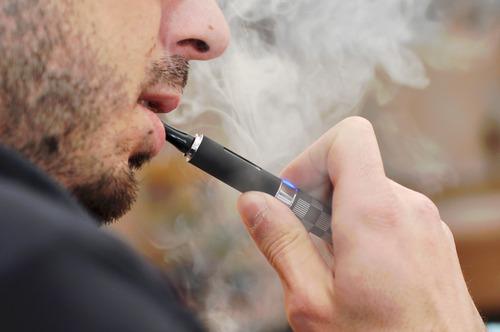
Although not as chemical-laden as traditional cigs, E-cigarettes aren’t entirely benign, either. (Martina Paraninfi/Getty Images)
For
the first time, U.S. teens are experimenting with E-cigarettes at a
higher rate than traditional cigs, according to a new national study
from the
University of Michigan.
And the uptick in E-cigarette use — in both teens and adults — is only
going to continue in the coming year, predicts James Sargent, M.D., a
professor of pediatrics and co-director of the Cancer Control Research
Program at Dartmouth University. Since the marketing of E-cigarettes is
largely unregulated, “there’s nothing out there to stop [the upward
trend],” he says. “They’re on television. They’re all over the place.
And people are curious.”
Although many would argue that E-cigarettes are preferable to the real deal, they’re not without risk: A
2014 UC San Francisco study
found that teens who “vape” are nearly eight times more likely to smoke
cigarettes than those who don’t use E-cigs. “The concern is that
children will get addicted to nicotine by using E-cigarettes, and then
they’ll realize they can get nicotine a lot more efficiently through
cigarettes,” says Sargent. Similarly, former adult smokers might
reawaken their nicotine addiction by using E-cigarettes, and then end up
relying on both products.
Another
fear: Adult smokers may take up E-cigarettes to help them quit, but
ultimately end up being “dual users” — that is, puffing on both
E-cigarettes and traditional cigs. In another
2014 UC San Francisco study,
vaping wasn’t associated with a change in cigarette consumption,
suggesting that the smoke-free devices may not be as useful for kicking
the habit as hoped (although research here is conflicting). “The concern
is that being able to use E-cigarettes will just prolong smokers’ use
of cigarettes,” since it can offset some of the cost of cigarettes or
allow them to dose up on nicotine in places were cigs are prohibited,
says Sargent.
FRACKING
Fracking may elevate levels of methane in drinking water — one of several ways it could threaten human health. (Mark Thiessen/Corbis)
As
fracking — an oil-drilling method that injects high-pressure water and
chemicals below the earth’s surface — continues to gain ground, American
support for it is on the decline: In a new
Pew Research Center survey,
47 percent of Americans said they’re against the increased use of
fracking, versus 38 percent in 2013. This rising tide of opposition is
reflected in New York Governor Andrew Cuomo’s recent ban on fracking in
the Empire State, which he announced after the state released a
public health analysis of the practice.
Even
so, “fracking isn’t going away,” says Susan Nagel, a reproductive
health expert at the University of Missouri, who has studied chemicals
used in fracking. “It’s very, very entrenched in many states.” Part of
the problem, she admits, is the lack of human health data on fracking.
But the studies that are available have shown alarming effects. A
2014 Environmental Health Perspectives study,
for example, found that pregnant women who live near fracking sites are
more likely to have children with congenital heart defects and,
possibly, neural tube defects.
Research
also suggests a link between fracking and reduced sperm count,
potentially because of the chemicals that the drilling method requires.
“They’re being liberated into the air throughout the process,” says
Nagel. “And then, through disposal of the wastewater, they contaminate
surface water and potentially groundwater.”
About
a third of the chemicals used are endocrine disruptors — specifically,
“many of them are anti-androgens,” she says. “So they oppose the action
of normal male sex hormones, like testosterone. Androgens are needed for
normal sperm development. Exposure to anti-androgens can inhibit that
entire process.”
It’s
unknown how close you have to live to fracking zones in order to see
these potential health effects. “There are certainly millions of people
in this country that live in the thick of drilling areas,” says Nagel.
“Right now, we don’t know how close you have to live — that is the
concern.”
SYNTHETIC MARIJUANA
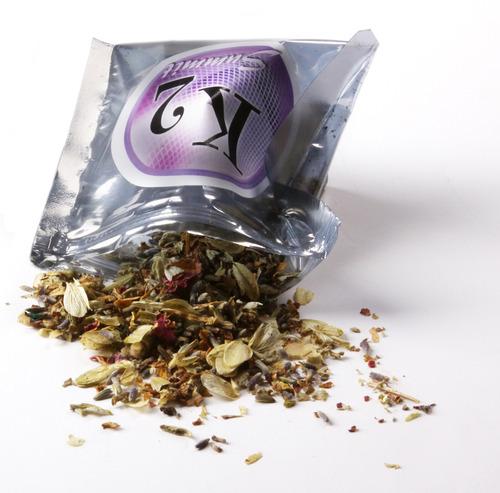
Synthetic marijuana is now illegal, but its use doesn’t seem to be slowing down. (The Washington Post/Contributor/Getty Images)
What
looks like potpourri is actually a drug more potent than marijuana.
Often referred to simply as “Spice,” synthetic cannabinoids — of which
there are hundreds of varieties — are considered Schedule I substances,
officially making it illegal to sell them in convenience stores, where
they initially began cropping up a few years back.
“The
problem is, we are continuing to see people in very high numbers [who
are] psychotic, after having used synthetic cannabinoids,” says Stephen
Ross, M.D., director of addiction psychiatry at NYU Tisch Hospital. When
asked where they acquired the drugs, “they say the local bodega or deli
— it’s like $6, and it’s super potent,” he says. “Synthetic
cannabinoids are still very available.”
In August 2014, New Hampshire Governor Maggie Hassan
declared a public health emergency
in response to the state’s high number of Spice overdoses. Other states
are seeing an uptick in poison-control calls about the drug. “In 2013,
we had zero calls to the Poison Center about it. So far to date in 2014,
we’ve had 133 calls about synthetic marijuana,” Lee Livermore, the
public health educator for the Upstate New York Poison Center, told
Time Warner Cable News. This past summer,
nearly 120 people in Dallas and Austin overdosed on the drug in a five-day period.
With
synthetic marijuana, “we see cardiac toxicity. We’ve seen some renal
toxicity,” says Ross. “There are even some deaths associated with [the
drug].”
What makes synthetic cannabinoids so potent?
Marijuana
contains two primary compounds: THC and cannabidiol. THC — the
component known for getting people high — binds to cannabinoid-1
receptors, which are responsible for the addictive, anxiety-inducing
effects of marijuana. “THC from cannabis smoke is only a partial
activator of that receptor — it’s what’s known as a ‘partial agonist,’”
Ross says. “But synthetic cannabinoids are a full agonist of that
receptor.”
Plus,
the cannabidiol in marijuana has the opposite effect of THC — it’s
calming — so “it tempers the negative psychiatric effects of activation
of the cannabinoid-1 receptor,” says Ross. Synthetic cannabinoids don’t
have that advantage. “They only have the [compound] that causes
addiction, anxiety, and psychosis.”
WHOOPING COUGH
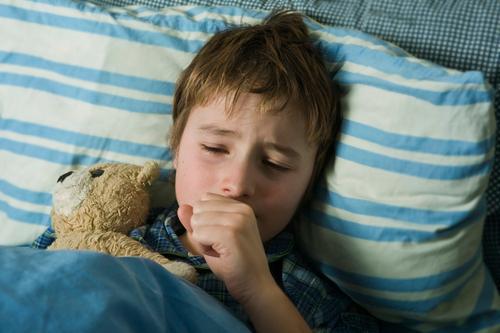
The long-gone disease is making a comeback, with rates at a 70-year high. (Photo: The Image Bank/Getty Images)
You probably lump whooping cough, or pertussis, in with diseases
of yesteryear, like Scarlet fever and the measles. But the truth is, the
respiratory ailment is making a killer comeback—in fact, California is
in the midst of a whooping cough epidemic, with rates at a 70-year high.
As of late November, nearly 10,000 cases, primarily in children, had
been reported in the state, according to the California Department of
Public Health. It’s not just the West Coast that’s suffering, either:
From January to mid-August of 2014 alone, there were more than 17,000
pertussis cases in the U.S.—a 30 percent increase over the same time
period in 2013, according to the CDC.
And the outlook for 2015 isn’t any better. “I think we’re going
to continue to have pretty substantial pertussis in the United States in
2015,” says Arthur Reingold, M.D., head of epidemiology at the Berkeley
School of Public Health. Why? Across the U.S., particularly in
wealthier areas, parents are opting not to vaccinate their little ones,
he says, and even if they do, the current vaccine doesn’t offer lifetime
protection. In the 1990s, U.S. practitioners switched from the
whole-cell pertussis vaccine to the acellular one, “because the old
vaccine produced more fever, pain, and tenderness,” explains Reingold.
Problem is, the new version wears off after a few years, leaving
children vulnerable to whooping cough.
When the bacteria that causes the cough is actively circulating,
infants are at risk of being infected by non-vaccinated family members
or those with waning immunity—and the outcome can be deadly. “In the
first few months of life, whooping cough can be life threatening,”
Reingold says. “Even if infants get their first dose of vaccine when
they’re supposed to—at 2 months of age—they’re not fully protected until
they’ve had several doses.”
That’s why the CDC recommends vaccinating pregnant women (the
mother’s immunity is passed along to her baby), as well as any other
family members who’ll be around the newborn. “It’s called
cocooning—trying to vaccinate all the other people in the household
around the young baby,” Reingold says. And parents should make sure
their children receive the full schedule of vaccines for maximum
protection, he adds.
Original Post Found Here: